

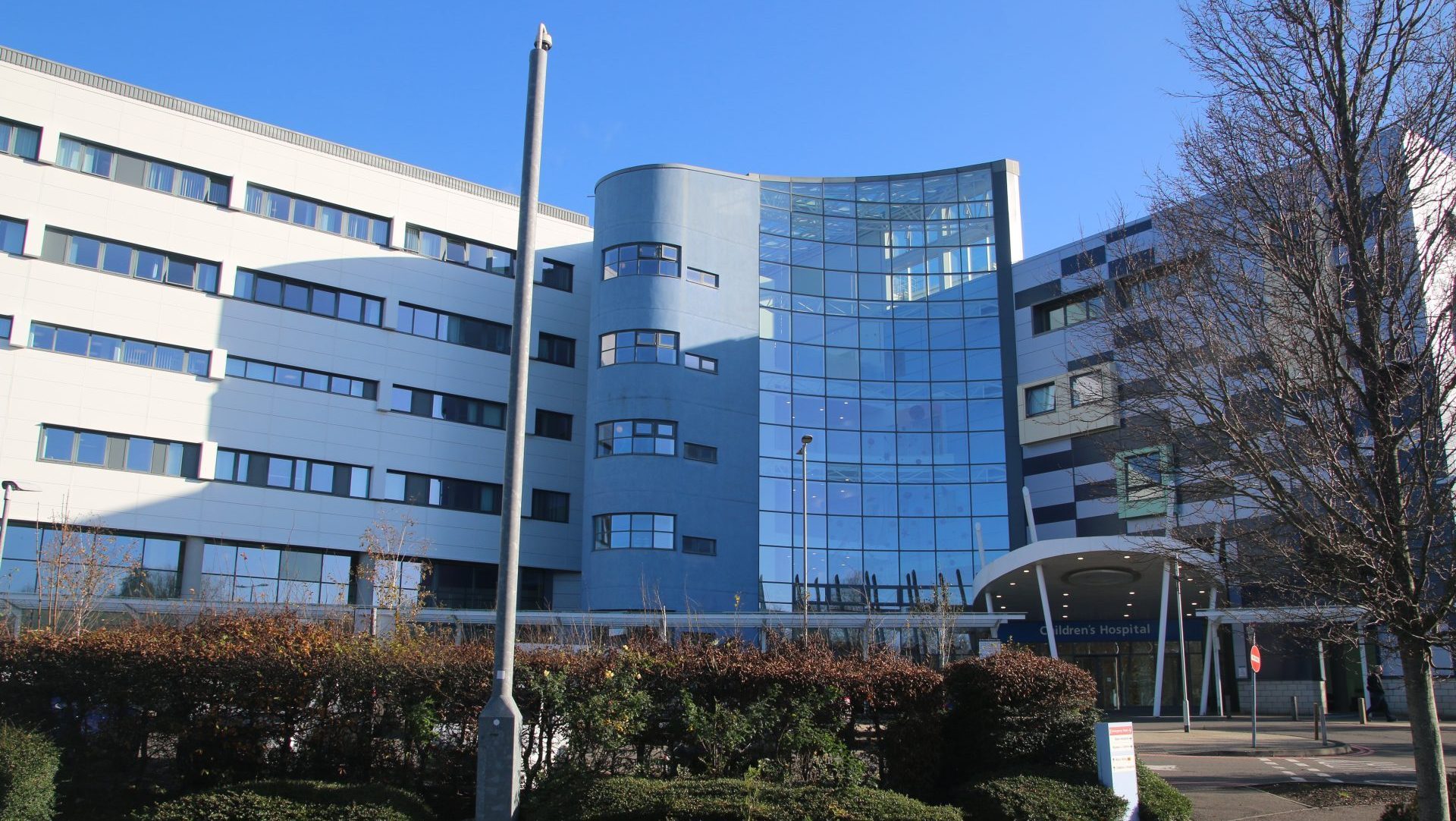
A new study conducted by researchers from Oxford University unveils that an estimated 3% of NHS England’s primary and secondary care budget is spent on the health impacts of temperatures outside a mild reference range (18°C to 21°C), with the cold “driving 64.4% of this burden”.
Dr Patrick Fahr, a senior health economist at the Nuffield Department of Primary Care Health Sciences and a leading author of this study, told Cherwell: “This is potentially on the order of billions of pounds per year.”
The study analysed 4.37 million patient records from 244 GP practices in England, along with daily temperature data to estimate the relationship between temperature and healthcare.
Fahr told Cherwell: “The study sits within the Oxford Martin School’s Programme on the Future of Cooling, which examines how rising temperatures and extreme heat are driving growing demand for cooling, and how societies can meet cooling needs without worsening climate change.
“While a substantial body of recent work has focused on heat-related mortality, there has been comparatively less evidence on morbidity and what temperature exposure means for day-to-day healthcare utilisation and costs.”
The authors’ aim therefore was to “quantify how temperature affects the clinical chain or care, and what this implies for NHS resource use and spending in England”.
The study argues that climate change’s broader impacts on healthcare systems have been largely ignored by researchers, leaving substantial gaps in our knowledge of the relationship between suboptimal temperatures and healthcare- making the new findings extremely valuable in the field of climate-related health.
The findings also show that colder days (on average between 0°C and 9°C) were “associated with cumulative increases in consultations with general practitioners, inpatient admissions, and deaths”, whereas hotter days (above 23°C) were associated with “sharp same-day surges in A&E attendances and prescriptions”. Older adults were consistently the most vulnerable group to temperature extremes throughout the investigation.
As these extreme temperatures become more frequent due to climate change, more people are suffering adverse health effects, which demonstrates the need for further research on the topic and a greater allocation of resources to healthcare systems during extreme-temperature events.
The study found that total daily healthcare costs per 1000 individuals increase by £114 at colder temperatures of 0 to 3°C, and by a steep increase of £486 per 1000 individuals for temperatures exceeding 23°C. There is also an average increase in daily costs of £84 per 1000 individuals for temperatures outside the reference range of 18 to 21°C.
The authors of this study constitute an extremely multidisciplinary team, comprising researchers working in the fields from engineering to social sciences, which, according to Patrick Fahr, “the work greatly benefited from” and “helped shape the framing, interpretations, and connect the results to the wider Future of Cooling agenda”. These findings could inform resource allocation and aid healthcare systems in adapting to the ever-increasing burden of climate change. Patrick Fahr tells Cherwell that this work “provides an evidence base to support year-round service resilience planning… [and] can also help inform adaptation measures, including cooling and heat-protection strategies, by linking them to measurable health-system impacts”.