

CW: Rape, sexual assault
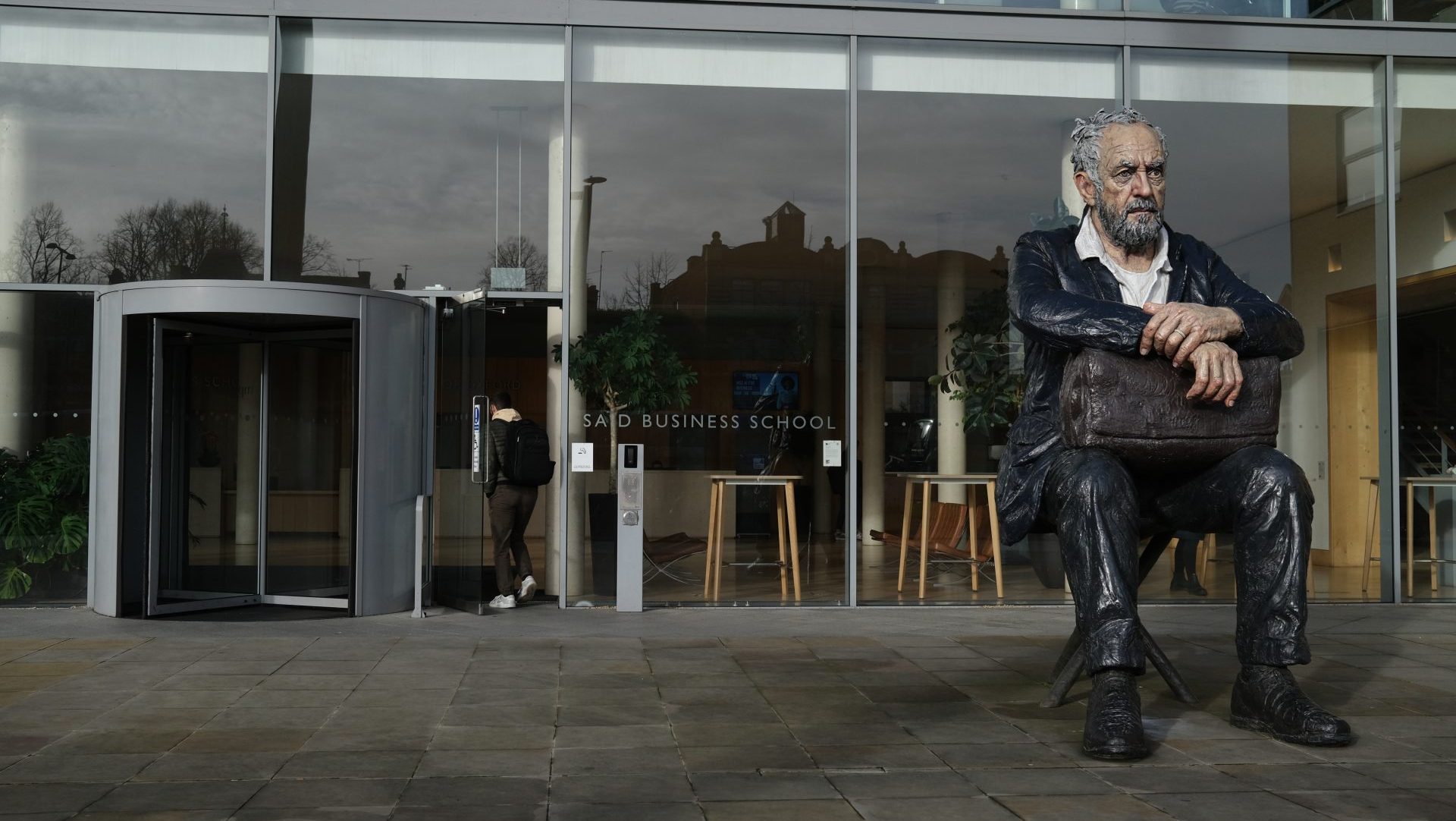
An emeritus professor at the Saïd Business School, who is also a fellow of an Oxford college, was investigated for rape by Thames Valley Police (TVP). He remains in his positions at the University of Oxford despite the accusations, which were made by a female academic. Emeritus status allows individuals to keep using University premises.
Cherwell understands that the professor was arrested and interviewed by TVP in relation to allegations of rape, and was later released on bail. Based on the available evidence, the police decided not to bring a charge against him.
This decision was challenged, and there is an ongoing judicial review into the matter. The professor denied the allegations when questioned by TVP. The professor declined to comment on the matter when approached by Cherwell.
Cherwell understands that the academic who alleged that she was raped alerted the University of the situation, and asked for protection as well as restrictive measures to be implemented. The University did not formally investigate the professor, and did not restrict his access to premises or remove his emeritus status.
The University of Oxford told Cherwell: “Sexual harassment has no place at Oxford. Our sympathies and thoughts are with anyone who has experienced harassment or misconduct. We take concerns seriously, applying robust procedures. Support for those affected is a priority, and we take precautionary and/or disciplinary action where justified.
“We reject any suggestion that the University tolerates harassment or puts reputation before people’s safety. While we cannot comment on individual cases, we are committed to continuous improvement and have strengthened our approach over recent years. Our online Single Comprehensive Source of Information sets out our approach, support and training and we encourage anyone who has a concern to raise it.”
Professor’s College
Cherwell understands that the college where the professor is a fellow did not place any restrictions on his access to college grounds after being made aware of the rape allegations, and did not take any measures to suspend his fellowship. The college was approached by Cherwell for comment.
The professor served on the Governing Body of his college for over 10 years. Members of the Governing Body of Oxford colleges are also charity trustees, and have legal duties and are “ultimately responsible” for safeguarding according to the Charity Commission.
At least one Oxford college – but not his own – has placed a ban on the professor entering premises after being made aware of the allegations against him. However, the University of Oxford – which manages central buildings including faculties, departments, and libraries – has not.
The professor also holds a research position at another public university abroad. This university did not respond to Cherwell’s request for comment.
Saïd Business School
The academic who submitted the complaint against the professor later sought help from the Dean of Saïd Business School at the time, Professor Dutta. It was reported that, after the academic went to Dutta for help regarding her original complaint, Dutta propositioned her. He allegedly said: “I feel very attracted to you. Can something happen between us?” Dutta denied making the comment.
Dutta resigned in August following a five-month investigation by the University, which upheld three allegations that he sexually harassed a female academic. The University of Oxford had stated that “stepped down as dean of Saïd Business School and has now left the University”.
According to a Bloomberg investigation, Saïd Business School hired Dutta as dean despite knowing that he had earlier resigned as dean of the business school at Cornell University following a “personal relationship with a junior employee”.
In a statement to The Times regarding his resignation, Dutta said: “I deeply regret causing any distress or offence by anything I said, and it was never my intention to be anything other than supportive of my former colleague”, and declined to further comment citing an ongoing dispute.
Last May, a letter by the faculty and staff of the Business School expressed “deep concern regarding the lack of communication and support” surrounding the investigation process.
Cherwell understands that the professor does not currently face any restrictions regarding access to the Business School premises, and that he still holds his emeritus professorship. Access to Saïd Business School is managed separately from access to other University premises and entry to the facilities requires a separate access card.
Saïd Business School did not respond to Cherwell’s request for comment.
Hewstone and New College
The Times revealed earlier this month that the University of Oxford “withheld information about harassment claims”. Miles Hewstone, former fellow of New College and professor of Social Psychology, resigned from his full time post in April 2019 following an investigation over alleged harassment.
The University declined to share the details of the internal investigation with New College, claiming that the information was confidential. Hewstone retained his University emeritus professor status and remained an emeritus fellow at New College until last November, when his status was removed following probes from the media.
Similar to the Saïd Business School emeritus professor, Hewstone’s emeritus status allowed him to continue using University facilities, and Oxford University credentials when lecturing around the world.
A number of women have shared their experience of being sexually harassed by Hewstone. They reported him making “very blunt” comments about wanting sexual relationships, and one academic reported that Hewstone touched her sexually without her consent.
The British Academy, the European Association of Social Psychology, and the Society of Australasian Social Psychologists submitted a joint letter asking whether it was safe to invite Hewstone to attend conferences given reports that Hewstone had “abused his position of power in harassing students and young scholars dependent on his guidance”. Oxford declined to respond and referred the organisations to Hewstone.
Sexual misconduct
Speaking exclusively to Cherwell, Anna Bull, the founder of the 1752 Group, an advocacy group addressing sexual misconduct in higher education, said that “gendered power imbalances are a risk factor for sexual harassment. At Oxford, 75% of professors are men, which creates a conductive context for sexual harassment abd violence towards more junior staff as well as students”.
Bull said that “Oxford has been much slower than other universities” to address accusations of sexual harassment and violence. For instance, Universities UK, an advocacy group for higher education institutions, issued guidance in 2016 for tackling harassment and sexual misconduct, which according to the 1752 Group was “only implemented in Oxford last year, in 2025, so it has been over 9 years later since other universities have had this in place”.
Bull said that this was “indicative of Oxford’s lack of prioritisation of this issue, and… even though they are now taking action on addressing student sexual violence and harassment, it remains a huge issue at the University”.
She added that “staff perpetuating sexual harassment towards students or other staff has been really slow to be addressed. Oxford has really serious questions to answer about how they are keeping students and staff safe”.
A 2021 study from the University of Oxford, based on over 25,000 respondents in higher education in the UK found that 52.7% of respondents experienced at least one act of sexual harassment, with most acts of sexual violence taking place at the University. It also found that women experienced the highest rates of sexual violence.
According to Thames Valley Police figures, the rape conviction rate in Oxford was around 2.2% in 2024.
If you have been affected by issues in this article:
- You can access support from the 1752 group, an advocacy group for addressing sexual misconduct in the UK higher education sector.
- You can seek free confidential legal advice and information on the law in England and Wales, specifically on Violence Against Women and Girls from a UK charity Rights of Women.
- Academic staff can make a complaint regarding sexual misconduct or bullying to the University and College Union(UCU). Likewise, you may contact UCU’s confidential email [email protected]or call their dedicated helpline on 0800 138 872.
- If you are having trouble having your complaint acted on or taken up by your institution, you can escalate it by using the institution’s whistleblowing policy. Whistleblowers UK provide advice for those who are considering taking this step.
- You can access the University’s Sexual Harassment & Violence Support Service for confidential, specialist support (no report required). The service includes an Independent Sexual Violence Adviser (ISVA). Sexual Harassment and Violence Support Service | University of Oxford.

.)