

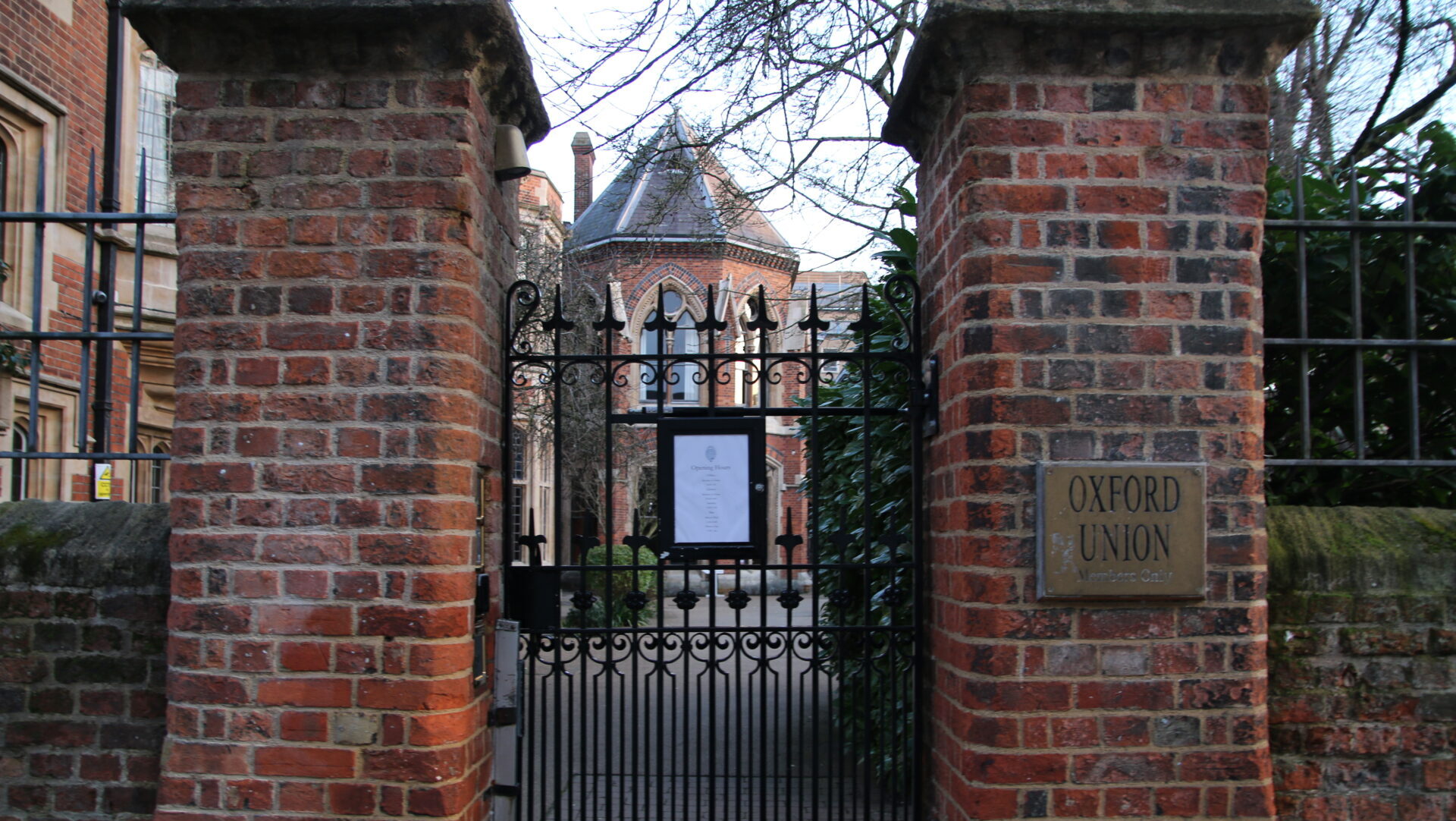
The Oxford Union has cancelled a planned speaking event with Sri Lankan MP Namal Rajapaksa following backlash from Tamil student groups and campaigners. The Cambridge Union cancelled Rajapaksa’s scheduled visit several days ago.
Rajapaksa, the son of former Sri Lankan President Mahinda Rajapaksa, is a controversial figure due to his close association with a government accused by human rights organisations of overseeing alleged war crimes and widespread abuses during the final stages of Sri Lanka’s civil war.
Rajapaksa had been scheduled to address the Oxford Union on 23rd February, with a corresponding event in Cambridge. The cancellations come after criticism from Tamil societies at multiple UK universities.
In statements circulated on Instagram, Tamil student groups said that to host Rajapaksa was to ignore “the deliberate bombing of civilian ‘No-Fire Zones’ and hospitals”, “the systemic sexual violence used as a weapon of war”, and “the enforced disappearances of tens of thousands”. They also cited “the ongoing militarised occupation of Tamil lands and the erasure of our cultural memory”.
The allegations refer to the final stages of Sri Lanka’s 26-year civil war, which ended in 2009 with the military defeat of the Liberation of Tigers of Tamil Eelam (LTTE), when government forces under the presidency of Mahinda Rajapaksa were accused by the UN and international rights groups of committing serious violations against civilians in regions in the country where Tamils primarily reside.
Tamils are a predominantly Hindu ethnic minority in Sri Lanka, who were at the centre of the conflict. Tamil advocacy groups continue to campaign internationally for accountability over alleged wartime abuses.
Rajapaksa, the son of former Sri Lankan President Mahinda Rajapaksa, was described by campaigners as “a staunch defender of this genocidal apparatus”. The statement from the Tamil Youth Organisation UK (TYOUK) claimed that inviting him “grants legitimacy to a regime that has consistently denied justice and accountability” and “sends a devastating message to Tamil survivors and victims’ families”. TYOUK had also been planning a protest against the event prior to its cancellation. Oxford Action for Palestine (OA4P) called for a protest on the same issue.
In a statement confirming the cancellation, the Oxford Union President Katherine Yang told Cherwell: “A core part of the Union’s purpose is enabling direct, open questioning from students. In this case, a significant number of the students most closely connected to the subject matter communicated that they did not feel safe asking questions openly. While alternative formats (such as submitting questions indirectly) were considered, … I felt that the inability of those most affected to participate directly undermined the substance of the forum.
“An event where key stakeholders cannot engage on equal footing does not produce the kind of robust debate the Union is intended to facilitate.”
In a statement issued by its Communications Representative, the Cambridge Union confirmed that it had cancelled the event after “urgent and serious discussions”. A spokesperson told Cherwell: “At the present moment, we don’t believe it’s possible to have a balanced and open discussion on this subject, and thus our Standing Committee made the decision to cancel this event.
“We would like to assert in the strongest possible terms that none of our events are endorsements of, or uncritical platforms for, any speaker or their beliefs, actions, or record.”
This is not the first time the Oxford Union has withdrawn an invitation to a member of the Rajapaksa family. In 2010, the Union sparked major controversy by cancelling an invitation to then-Sri Lankan President Mahinda Rajapaksa at the last minute, after his arrival in the UK and amid anticipated protests from British Tamil activists.
Coverage at the time noted that the Union cited security concerns and the “sheer scale of the expected protests” in withdrawing the event. This drew critical reactions from Sri Lankan officials and students. The Oxford Sri Lankan Society denounced the Union’s decision as “highly unbecoming”, arguing it had agreed to detailed arrangements. Sri Lankan ministers condemned the move as a “scar on the Oxford Union and the British government”, and demonstrations took place in Colombo in response.
Prior to that a controversy arose in 2008 ahead of a scheduled appearance by Mahinda Rajapaksa, when students and campaigners urged the Union to scrutinise his human rights records. Critics at the time pointed to reports from the US State Department, Amnesty International, and Human Rights Watch alleging violations by state officials and paramilitary groups allied with his administration.

