

It is undeniable that LGBTQ+ representation in the media has become more positive in recent years. One may assume this trend extends across genres, forms, and time, allowing previously unacknowledged LGBTQ+ historical figures to receive recognition. The popular series Bridgerton, for example, deviates from the books to feature two LGBTQ+ main characters. However, the majority of media with LGBTQ+ main characters is contemporary and does not explore the existence of LGBTQ+ identities in previous centuries. It seems historical literature has indeed fallen behind in LGBTQ+ representation. If this is true, then why, and how can this issue be solved?
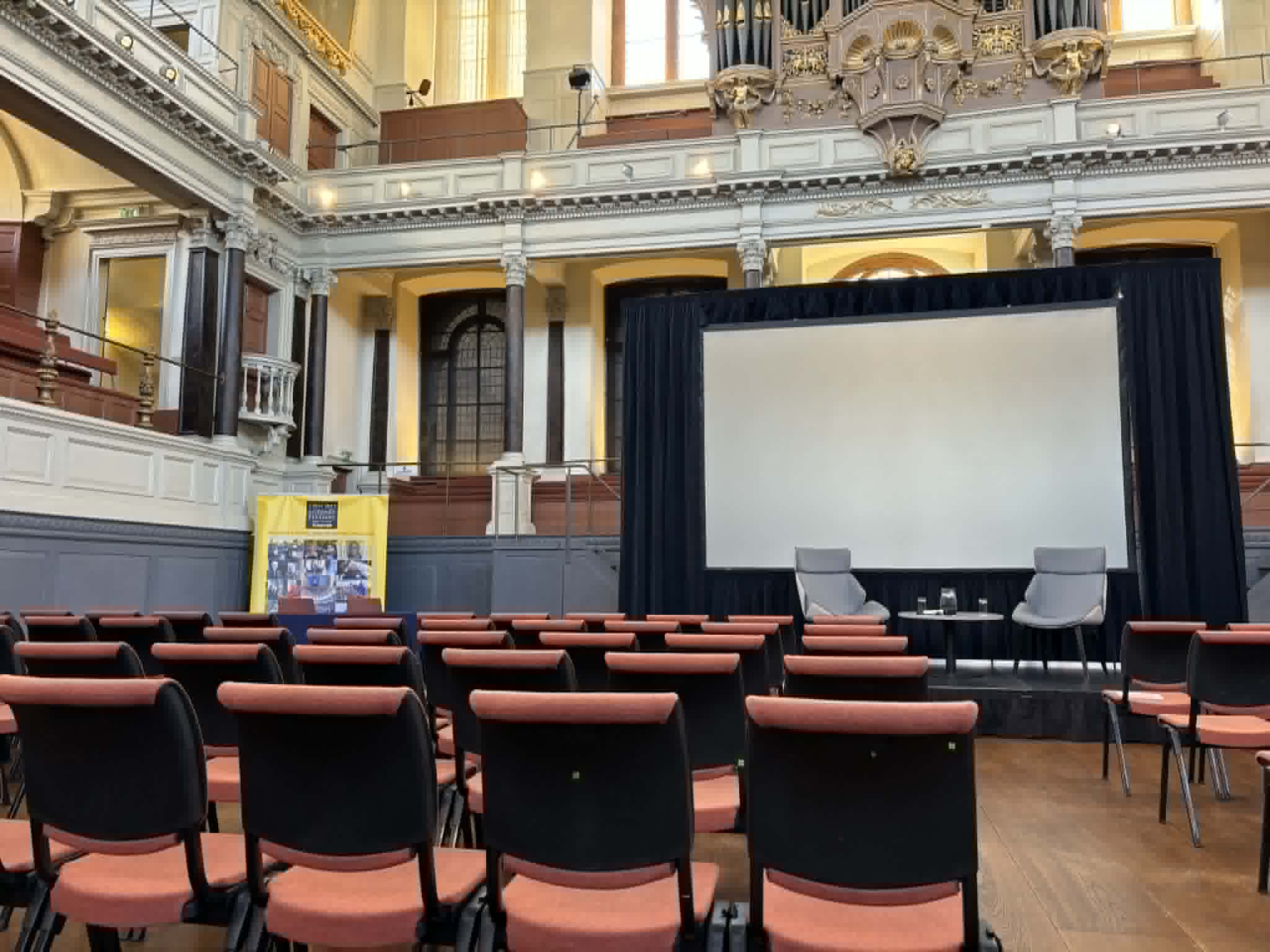
There are a few reasons to think that this could be the case. For instance, a recent talk at the Oxford Literary Festival, entitled ‘Gender-Fluid Georgians’, saw Carolyn Kirby and Anthony Delaney in discussion on their work about LGBTQ+ Georgians. They discussed the many issues surrounding the writing of texts, both fiction and non-fiction, about historical LGBTQ+ figures. There remains a legacy of concealment that many appear hesitant to deviate from, noticeable archival scarcity (meaning criminal records are the widest body of evidence remaining), and moral discomfort surrounding revealing identities that were so carefully kept hidden.
Even if there are limitations and worries surrounding the representation of historical LGBTQ+ figures, it is possible to make up for these oversights. If they have been long under-represented, Kirby and Delaney try to undo this in their work. Kirby discussed this in her novel, Ravenglass, which centres on the life of the protagonist, Kit, whose disruption of gender norms forces him to live a life of concealment. Kit must suppress an interest in feminine fashion, and later hides in a more literal sense by living as Stella, in a fascinating exploration of gender identity.
Delaney’s non-fiction book, Queer Georgians, explores silenced LGBTQ+ voices in the Georgian period. He details the lives of a variety of Georgian people, discussing figures mostly unknown, as well as revealing information from the archives about the undiscovered LGBTQ+ lives of better-known figures. He especially discussed archival gaps and how deep one must look to discover historical figures’ true lives, which is one possible explanation for the scarcity of LGBTQ+ historical texts. However, the existence of Kirby and Delaney’s books is evidence of the increasing recognition being given to LGBTQ+ figures of the past.
One admirable figure that Delaney discusses is Margaret Clap. Nicknamed Mother Clap, she provided a place of refuge for LGBTQ+ people. She ran a Molly House in Holborn, a “pub for homosexual men” and gender-nonconforming people, where they could socialise safely away from the rest of society without fearing the consequences of expressing themselves. Elsewhere, this fear was strong given that sexual activity between men was outlawed by the Buggery Act of 1533, which said that the “detestable and abominable Vice of Buggery committed with mankind or beast” was punishable by death.
Margaret Clap is a fascinating part of the history of Molly Houses due to her rebellion against law enforcement and being “actively involved in legal battles relating to sodomy charges”. Her aid was selfless; she put herself in danger to protect others and was eventually prosecuted. She was fined, made to stand in the pillory, and given two years’ imprisonment; it is unknown whether she survived her prison sentence. The records of Clap’s actions emblematise the issue of having criminal records as the main source for LGBTQ+ history. Not only does it limit understanding, but it is also reductive of the humanity of these people whose lives now must go unacknowledged outside of the record of their then-criminal activity.
Clap’s form of allyship to the LGBTQ+ community is one that clearly had a great positive effect. However, it is somewhat foreign to forms of allyship today in that it required her to hide those she aligned herself with, rather than championing them openly. In modern society, the latter form of activism is often more prominent because of the increasingly accepting attitudes towards LGBTQ+ people, at least in certain parts of the world. Perhaps it is this tradition, and the lack of source material that comes from this need to hide, which leads to fewer stories being told about LGBTQ+ people of the past, even whilst they are gradually gaining greater acknowledgement in contemporary pieces. We have inherited a legacy of both internal and external suppression, which has such power that it feels more natural to continue this than to break bounds.
Despite the excellent work of these authors, as well as others, there remain difficulties in countering the issue of LGBTQ+ under-representation. Perhaps it does not feel truly possible to celebrate these people, given the need for any author to place themselves in the same position as the law enforcement who cruelly exposed their identities.
Even with the best intentions and in a much more accepting climate, it may feel uncomfortable to profit off of revelations about identities that were kept so carefully hidden, and for such good reason. It is difficult to celebrate their humanity when LGBTQ+ figures of the past were not perceived (and therefore not documented in the archives) as such, and their stories rarely end happily. However, whilst this may be the case, the books written by Kirby and Delaney, as well as their invitations to speak at the Oxford Literary Festival, are proof of at least some forward movement.
Therefore, it is possible to overcome the struggles of writing about historical LGBTQ+ figures and responsibly represent them. It may be necessary to spend extra time searching the archives, but this is not an impossible activity. Delaney discussed the limitations of writing a non-fiction text about figures who are often seen solely through the lens of a criminal in the archives. If a piece of information has not been reported, if no humanity has been given to these figures in the records, then no humanity can be recorded in a history book about them. Such limitations do not, however, apply to a novel. A careful amalgamation of historical accuracy with the gift of humanity in a work of fiction could be the answer to this issue of responsible representation of lives once gone despised, who now have the retrospective opportunity to be celebrated.


