

I think that, in our own minds, and with our intimate knowledge of the people closest to us, it is easy to zoom in, to overanalyse the incompatibilities, circumstances, and personal factors of all the break-ups we experience and observe. However, when we step back to see these turbulent, seemingly singular occurrences in the wider context of the lives of people we might only brush against, I believe a pattern arises that warrants the consideration of a break-up season.
While the word ‘season’ is used figuratively, I think we can see a direct correlation between romantic or relational seasons and the seasons of the year. The seasons correspond to the growth and harvest seasons of crops, or the dry and wet seasons of tropical climates, migratory patterns of birds, hibernation of mammals. They dictate the behaviours of the natural world, to the extent that humans have even personified them as gods. And although it can be easy to think that we humans are not at the mercy of these forces, with man-made inventions often allowing us to live a consistent life year-round, there is much evidence to the contrary. Seasonal depression is a commonly recognised disorder of the colder months. Across the UK, the collective shift in mood when the sun illuminates every street, when the warmth allows us to shed the smothering puffer and adorn ourselves in colour and flowy fabrics, is so profound and so predictable, that we might secretly be solar-powered creatures. It is not such a leap, then, to say that this fleeting happiness has a domino effect, and in the warmer months we are more open to new connections and to seeing the beauty which was always there, but perhaps lay dormant or buried during the winter. Along with the nature which surrounds us, we ebb and flow under the sway of the seasons.
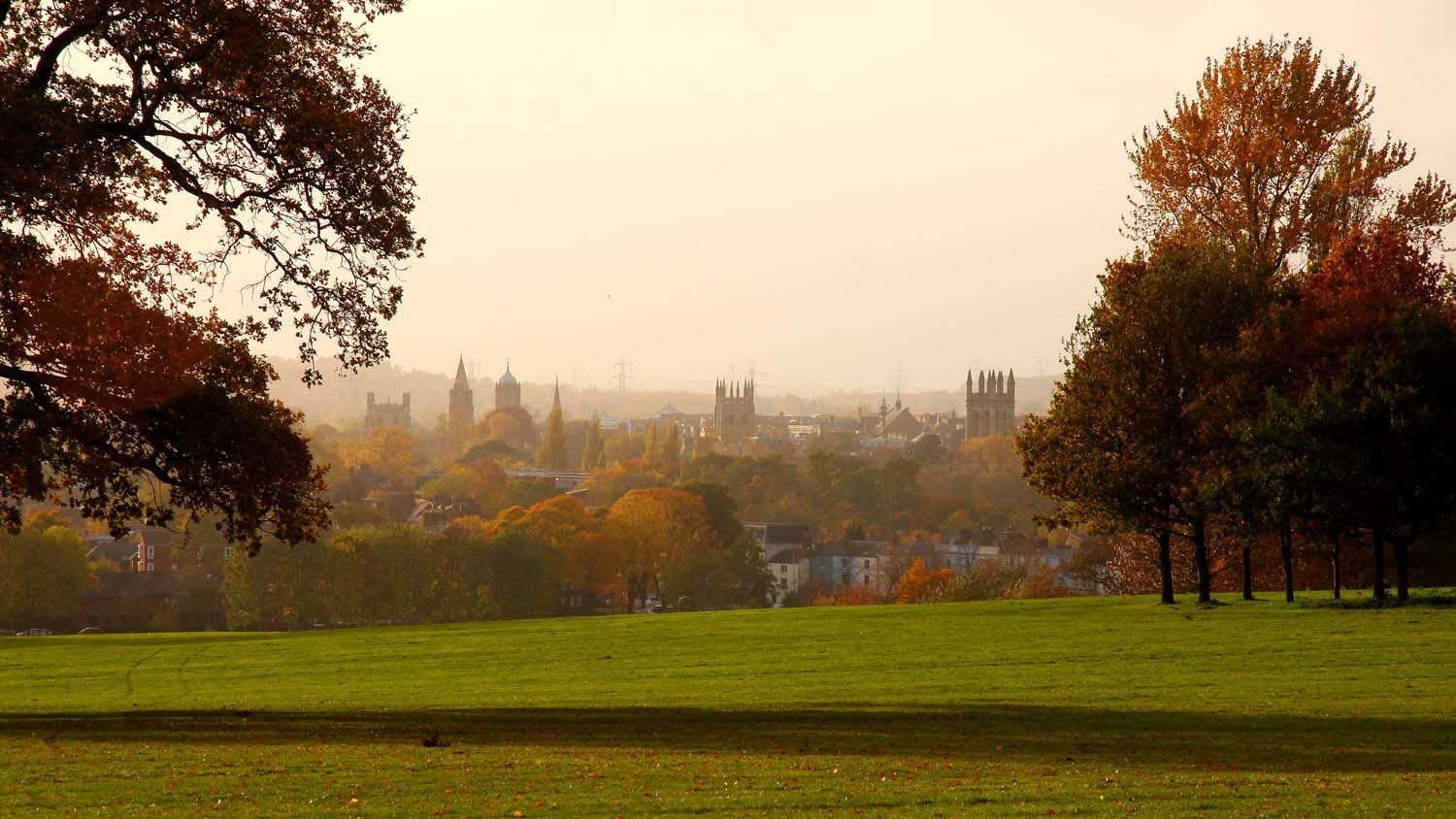
Autumn has a reputation for being the season of introspection. As our summer openness begins to draw in, so too do we begin to turn away from new things to relish the warm familiarity of what we know. This reputation is, of course, founded in autumn’s natural significance – that of harvest, reaping the results of the past two seasons of growth, before the ground hardens (and later freezes). This evokes a nostalgia for what was growing, now that the time to cut it down is upon us. This synesthesia between seasonal, sensory experience, and our emotional understanding of our personal relationships, is also reflected in music. A song we often associate with Autumn is ‘Sweater Weather’ by the Neighbourhood, which expresses the vulnerability and tenderness brought on by the cold. A song explicitly set in autumn, which continues these themes, is Taylor Swift’s ‘All Too Well’, a break-up anthem, referencing falling leaves, and describing the fragmentation that occurs after parting ways with a lover.
One reason I believe SZA (mistakenly) declared cuffing season as winter (in her 2022 SNL skit song ‘Big Boys’), is that the cold and the darkness, which make us retreat indoors are mellowed, even thawed, by the close presence of a lover or a friend. However, this desire for closeness is at odds with the cold, which, after months of exposure, seeps into our very being. We don’t stay out as late, plans become less spontaneous – teeth chattering and full-body shivers aren’t exactly conducive to the wide smile and gracious small talk that meeting new people and making first impressions requires. The highlight of the season is Christmas, an occasion centred on family, and which might indirectly overlook a need or desire for romance or friendship (though any Scot will tell you the latter theme is brought to the forefront come New Year’s).
As we move into spring, there is a conscious step towards optimism, and a newfound potential for growth after the inactive winter. Just as the blossoms begin to bud, and everything seems just that bit greener, so too are we encouraged to venture out of our own shells, and dare to go to that event or party. It helps that any sorrows are immediately cushioned by the longer, warmer days, and the ever-present pint prerogative. Saint Etienne’s ‘Spring’ makes the important distinction between spring and summer, which is also often identified as being a happier season. It represents spring’s inherent whimsical energy, which is perhaps born from the transition from winter, the beginning stages of our metamorphosis into our full social potential. As a result, spring is a time for social opportunities: first dates which go nowhere, interesting people you meet once and promise to meet again. Yet somehow three weeks go by before you realise that you are so focused on how the life you already have is blooming, that you neglect the chance to further expand your garden.
Summer, of course, is the much-anticipated, most glorified time of year. How can you be anything but giddy when it is 20 degrees, and you can feel the sun’s warmth radiating through the air? I would argue, though, that the social and relational mood of your summer is largely dictated by your spring. Conversely to winter, where companionship acts like a safety blanket, in summer, we are empowered and happy, and this feeling is reinforced by our everyday surroundings. We don’t need to rely on the comfort of a relationship for happiness, because all of a sudden, what we have is bathed in gorgeous light. We are delightfully open to new people in all sorts of ways, simultaneously allowing for more frivolity and freedom in general. While the new connections of spring flourish further, I think in this time of year (especially in the splendour that is Trinity in Oxford), we are less like plants and more like bees. We derive pleasure from both the comfort of the hive and the undertaking of pollination, dashing around, diversifying our days, and conversations.
I write this coming up on a year of being in a relationship, which began to sprout and bud in May last year, and so one could say that this is simply an outsider’s view of the cycles of love. But to that, I would ask you to look around, as we exit the abundance of spring to launch into the joy of summer. Don’t you see a culture of friendliness and positivity thriving, as we throw caution to the wind and jump into the river once more?