

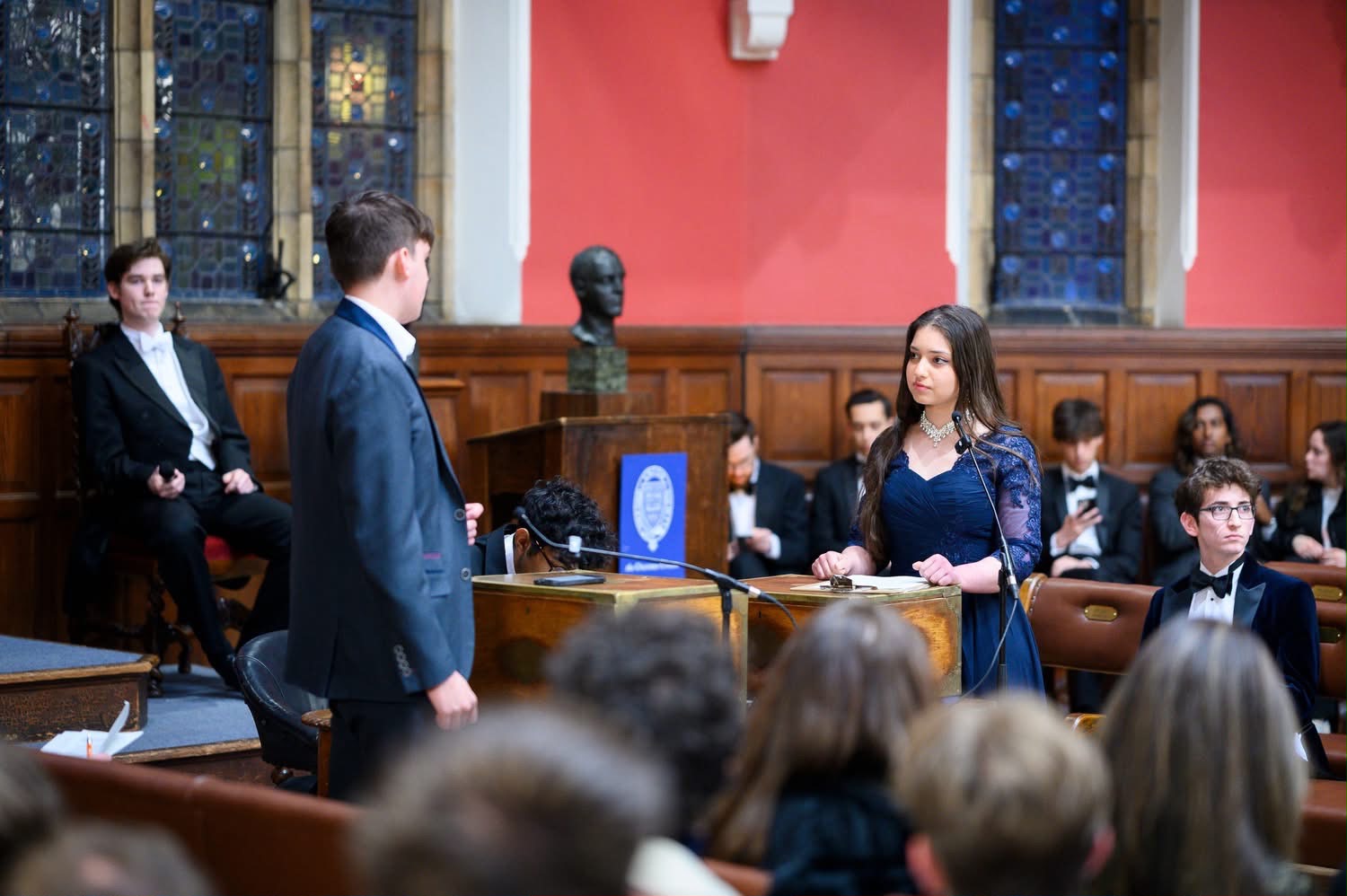
This is not the first time I have been through this. Nor, I suspect, will it be the last.
It is something that so many others have been through, and so many more will go through.
Over the past two years, I have watched a familiar cycle unfold around almost anyone who is outspoken on Palestine. First comes political disagreement. Then comes insinuation. Then comes the attempt to transform lawful political expression into evidence of extremism. I have experienced each stage personally. The details change; the pattern does not.
What has always struck me is how little scrutiny these claims themselves receive. Basic journalistic standards that would ordinarily apply to almost any other subject seem strangely absent when the subject is Palestine. At one stage, I was asked to respond to allegations concerning a Hamas militant I had never met and to whom I am not related, apparently because we share a common surname.
The most recent chapter follows the same script. It concerns private messages I sent in a student politics group chat more than nine months ago, before I even ran for the Presidency.
The headline that attracted the most attention claims that I said Hamas would be “lauded as heroes.” I did not. The statement referenced was part of a broader discussion about how armed movements have been treated throughout history. My observation was that organisations designated as terrorist groups are sometimes later accepted as political actors following negotiations, peace agreements, or independence movements. Nelson Mandela appeared on the United States terror watch lists until 2008. Yasser Arafat was designated a terrorist and subsequently received the Nobel Peace Prize. One may agree or disagree with that observation, and yet the historical context was conveniently ignored for the sake of stoking controversy.
The same applies to comments I made regarding October 7th. It has been reported that I described the attacks as “proportional.” What is far less frequently reported is that I explicitly stated that “proportional” does not mean “right”. I was not making a legal argument. I was not endorsing violence. I was making a sociological observation: that the severity of resistance is often linked to the severity of the conditions that produce it. To argue that decades of occupation, blockade, dispossession, and military violence form part of the explanation for an event is not the same as arguing that the event was justified.
The blatant misrepresentation of my words by those in the national press who are responsible for reporting truthfully shows a clear lack of journalistic integrity.
Explanation and endorsement are not synonyms. Yet when Palestinians speak publicly, they are often treated as though they are.
The result is a standard under which Palestinians are permitted to speak only if they preemptively defend themselves against interpretations they never intended. I have no interest in doing that.
If there are criticisms to be made of my record as President, make them. If there are disagreements about decisions I have taken, events I have hosted, or positions I have advanced, let us debate them openly. But let us debate what was actually said, not a version reconstructed for outrage and for anger.
What I have learned throughout this process is that these campaigns rarely come from a position of confidence. If there were compelling arguments against what I actually believe, there would be little need for distortion, selective quotation, or guilt by association.
The irony is that the very existence of these attacks reflects something positive. Palestinian voices are increasingly present in spaces from which they were historically absent. Conversations that were once considered impossible are now taking place openly. That does not mean everyone agrees. Nor should they. But it does mean that representation matters.
This was never really about one article, one headline, or one election. It is about whether Palestinians can participate in public life as political actors in our own right, rather than as subjects of endless suspicion.
We can.
And I have no intention of being misquoted into silence.