

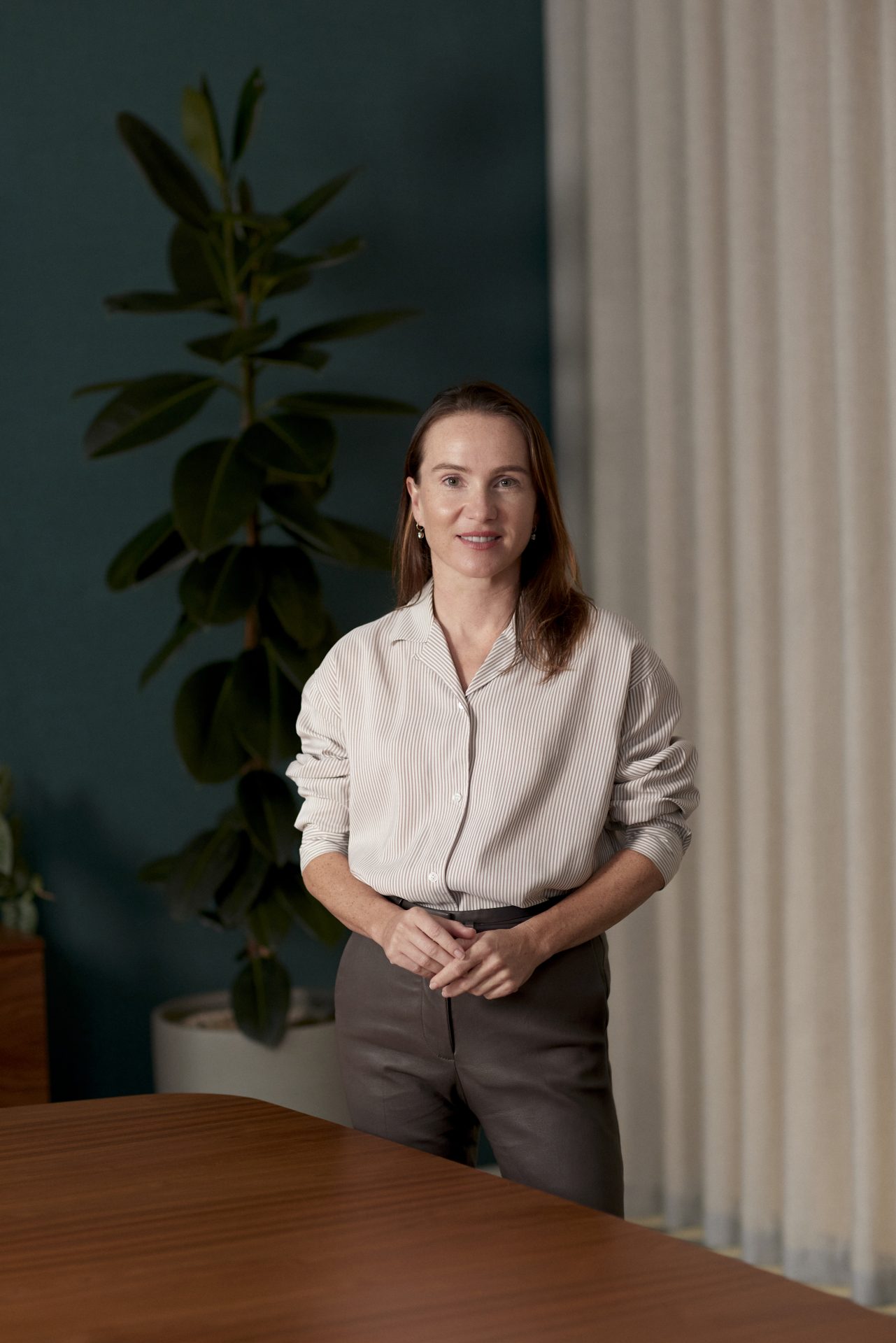
In 2025, Oxford University announced a £10 million gift from the Bukhman Foundation to establish the Bukhman Centre for Research Excellence in Type 1 Diabetes, dedicated to improving diabetes treatments and finding a cure.
Cherwell: What inspired the Bukhman Foundation’s focus on Type 1 Diabetes research, and why do you believe now is the pivotal moment for accelerating innovation in this field?
Bukhman: We have a familial connection to Type 1 Diabetes (T1D), first through our parents, and then our daughter, who was diagnosed with T1D when she was little. In the years since, we have learned a great deal about all the daily challenges faced by people with T1D and their families.
When it comes to timing, innovation never really stops, it just keeps moving forward. The progress in the last few years has been truly incredible. Exciting new treatments are being developed, like beta-cell transplants. With a simple blood test, we can now screen entire populations, helping us detect T1D early and delay the need for insulin – one such drug was even approved in the UK just a few weeks ago. A full cure isn’t here yet, but it feels like we’re right on the edge of real and lasting change.
Cherwell: Looking back, was there a defining moment when you knew you wanted to create a foundation of your own?
Bukhman: There wasn’t really one defining moment. Prior to around 2021 – when Igor [her husband] and I started thinking about creating a foundation – we supported charities, but it had been more ad hoc. But as time went on, we realised that this was something we wanted to do properly, dedicate time to, and develop a proper structure and strategy for it.
Neither Igor nor I come from privileged backgrounds, so we understand that when you are fortunate enough to have the means, using it to support the world around you, the society around you, is the very least you can do, and through the foundation we hope to do that and maximise the impact that funding can make.
Cherwell: What have been the most significant lessons or challenges in setting up the foundation?
Bukhman: In many ways, having a foundation like ours is a constant exercise in learning. You start out with a rough framework of aims and ideas, but it keeps evolving in small ways all the time and will likely continue to in the future. We believe that you have to be flexible to be able to make a difference: listen to expertise, hear new voices and perspectives.
And then, of course, there is the question of focus. You cannot solve all the world’s problems at once, so there is also a process of deciding where to focus funds to make a difference in the short and medium term as well.
Cherwell: How do you approach working with medical professionals and determining which areas to invest in?
Bukhman: So, first of all, we know that we cannot do any of our philanthropic work in isolation, and for anything we look to support through the foundation, our first goal is to surround ourselves with experts in the field. But something that we think is of vital importance is to have a plurality of expertise and experience. For instance, when it comes to medical research, one side of the card is the pure, academic, medical research –but the other side is the human, the everyday, the realities of implementation. You can have the smartest, cleverest academic breakthroughs, but if it cannot be efficiently translated to people day to day, it has failed. You have to take a multidisciplinary approach to things to stand the best chance of success. This is why we are so excited about the leadership of this initiative at Oxford, because it really brings together the best of a multidisciplinary world.
Cherwell: How do you foresee the role of philanthropy in medical research shifting in the future, and what responsibilities come with being a major donor?
Bukhman: Philanthropy is only ever one part of the puzzle when it comes to addressing any cause. You need governments, private investment, NGOs, universities, community groups, and a hundred other elements to be successful. In that sense, there will always be a part for philanthropy to play in medical research.
Philanthropy is there to back what others cannot, for initiatives and projects that might be seen as too risky or not a priority for governments. Philanthropy is there to take risks where perhaps others cannot. In terms of responsibilities, the main one is to not make things difficult. At the end of the day, the goal is to help, so there is no point giving money to an organisation and then asking for their precious time to be spent filling out lengthy grant applications or quarterly impact reports. Trust those you are supporting to do their job.
Cherwell: For students or early-career researchers, what qualities, mindsets or skills do you believe will be vital for the breakthroughs ahead?
Bukhman: I have always believed in the power of multidisciplinary thinking in getting to solutions that would otherwise be hidden to those with one-track minds. For example, if you are a scientist or engineer, actively develop creative thinking and embrace literature, philosophy, art history, poetry, or music. It can train a different part of your brain; make you think in different ways. ‘Groupthink’ is something that can be very damaging to innovation.
Cherwell: What does success look like to you personally, not just in terms of scientific progress, but in terms of the human impact you hope the foundation will achieve across the board?
Bukhman: I think it’s unwise to be purely tied to specific goals or metrics in philanthropy. Some people do like to do that, analysing the impact of every cent spent. But from my perspective, the world can take highly unpredictable turns out of nowhere, and your whole giving strategy might have to adapt. When dealing with areas like T1D and the arts, like we are, these are highly complex systems, and there is simply no way of knowing one way or another how changes manifest. The best approach is simply to do the best you can as you go along, trying to do what you can today in the hope of helping people tomorrow.