

The year is 2026. Two actors who were waiting tables six months ago have just carried the Olympic torch into Milan. Canada’s Prime Minister Mark Carney is gifted a replica jacket from a low-budget TV adaptation of NHL fanfiction. And The Observer is referring to the apparent Burnham-Starmer animosity as a ‘Heated Rivalry’. Truly, what on earth is going on?
In January 2025, it was announced that small Canadian streamer Crave had picked up the adaptation of Rachel Reid’s Gamechangers series of hockey-themed gay romance novels. The show takes its name from the series’ second installment Heated Rivalry, which follows the developing relationship between closeted ice hockey players Shane Hollander and Ilya Rozanov. Nine days before its release in November 2025, HBO announced that they had picked up the show for its US distribution, closely followed by Sky in the UK. By every imaginable metric, the show has been a smash hit. Not only is it immensely popular, but the show’s moving fifth episode ‘I’ll Believe in Anything’ ranks among the highest-reviewed episodes of television of all time on IMDb. But why is it that this seemingly niche genre romance has turned out to have such widespread appeal?
While reflecting on this question, a contrast emerged in my mind. Netflix’s Stranger Things, whose final season premiered concurrently with the release of Heated Rivalry, has similarly dominated the cultural zeitgeist at various points across its ten-year airing schedule. Of course, the comparison is an imperfect one; the shows are wildly different in many ways, and it goes without saying that the expectations for a final season are different to a debut. But it seems to me that they resemble each other in one key way — the concentration of creative control in the hands of a few key individuals.
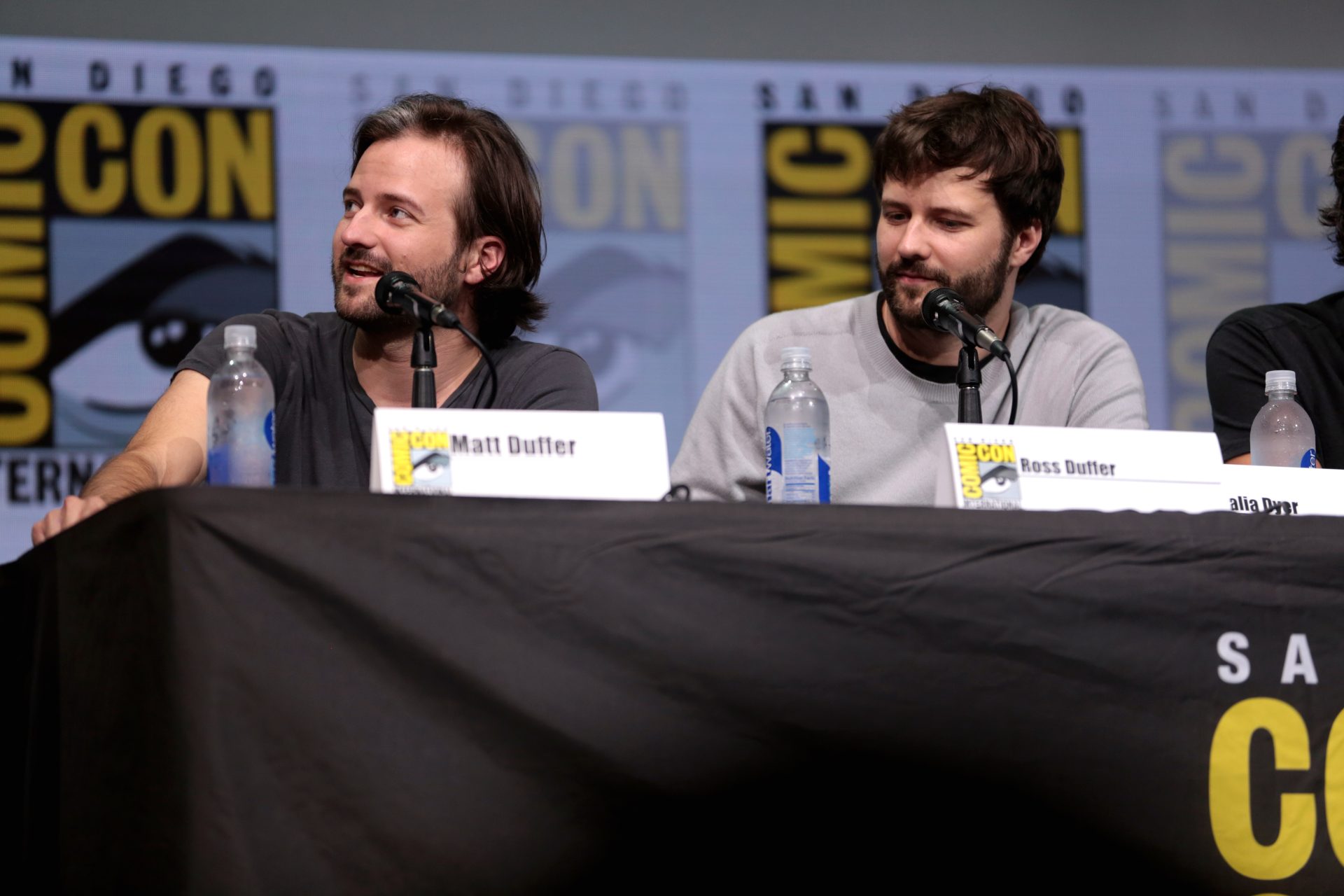
Those key individuals in question being Heated Rivalry creator Jacob Tierney and Stranger Things’ very own fraternal directorial duo — Matt and Ross Duffer. Their identities are so established as creatives that the final season was released alongside a documentary following the pair in the process of bringing their passion project to the screen. Tierney’s reputation has been similarly cemented after the publication of his DMs pitching the adaptation to Reid, which reveal him to have been the unique catalyst for this whole phenomenon.
Both Tierney and the Duffers influenced key structural and narrative decisions in their respective shows. The Duffers experimented with format to the point that their finale more closely resembled a feature film than an episode of television. They have also expressed their personal preference for introducing new characters every season, some of which have certainly played a key role in sustaining the show’s popularity. In a similar exercise of autonomy, Tierney reported that we have him personally to thank for the show’s steamy nature. Heated Rivalry fans might find a prudish version of the show difficult to imagine, but he insists he had to advocate to maintain that element of the source material. In his own words: “These books are porn. You think that the audience is here despite that?”
I will not attempt to establish any causality between micro-managed creative control and assured popularity just yet, but it is undeniable that both shows have seen immense success. For better or for worse, both have launched veritable fandomania, skyrocketing their young casts into superstardom. Stranger Things is almost synonymous with the Netflix brand, and I would argue that it is to the credit of the Duffers that they managed to anticipate a clear gap in the market for a feel-good, nostalgic, small-town mystery, with an ensemble cast of fan favourites. While the appeal of Heated Rivalry seems more niche on paper, the viewing figures speak for themselves, and Tierney should certainly receive some of the praise for the surprisingly wide impact of a six-episode low-budget romance on the collective global cultural imagination.
But heavy is the head that wears the crown. The Duffer brothers’ clear responsibility for creative decision-making has meant they have received the brunt of the criticism for the perceived flaws of the show’s final season. Fans were so underwhelmed that they produced a viral conspiracy theory that the finale was actually a hoax, and that a secret ninth episode was coming. That can’t be good for the ego. So what lessons can networks learn from the reception of the two shows, and to what extent can their successes and failures be attributed to their centralised executive production structure?
Hardcore Stranger Things fans will be able to pinpoint the amount of plot holes amassed over the course of the show. The valid argument for the Duffer’s defence would suggest that any of their team of writers could have anticipated and mitigated these issues, and that any show capable of inspiring such impassioned opinion on characterisation has at least succeeded in keeping its audience emotionally invested. But I just want to raise the possibility that two middle-aged men slightly lost their grip on what it was that made their teen drama so popular.
Some of the creative decisions, over which the Duffer Brothers seemed to demand such possessive control, are truly baffling: Why on earth would you give the most important character arc of your final season to your protagonist’s never-before-mentioned little sister when you’re already juggling a whole host of supporting characters? Half of the stills from the show’s final season look like they’re taken from bad improv classes in which about 20 characters seem to just… stand there? And personally, I feel like perhaps the biggest misstep is how Winona Ryder seemingly got sidelined in what originally felt like her show.
More troubling still though, are the cast accounts of the Duffers’ intense on-set direction. Noah Schnapp admitted that the Duffers insisted on filming his character’s coming-out scene for 12 hours. After having watched the scene, I dare say this ‘obsessive perfectionist creative’ shtick falls a bit flat. At the risk of starting a gay pissing contest between the two shows, Connor Storrie’s Ilya professed his love in Russian that he didn’t even understand, and the show reportedly wrapped in just 39 days. I also remain disturbed by one particular admission from the documentary: “We went into production without having a finished script for the finale.” Apparently if you create a show that is popular enough then Netflix will let you get away with anything, because … what?
It remains to be seen whether Tierney will be able to maintain the momentum he built up with Heated Rivalry’s first season. At the very least, it seems he will face less of a challenge in terms of sheer volume of characters to manage, and without the burden of ultimate creative responsibility for the source material. But still, perhaps Stranger Things offers him a cautionary tale on how not to bring a TV show to an end. So far, Tierney has seemed in tune with the expectations of the fans, but maybe that same personal responsibility is a poisoned chalice in a period of such intense ‘fan’ culture. I, like seemingly every other young woman on the planet, admit that I can’t wait to see what he has in store for season two.