

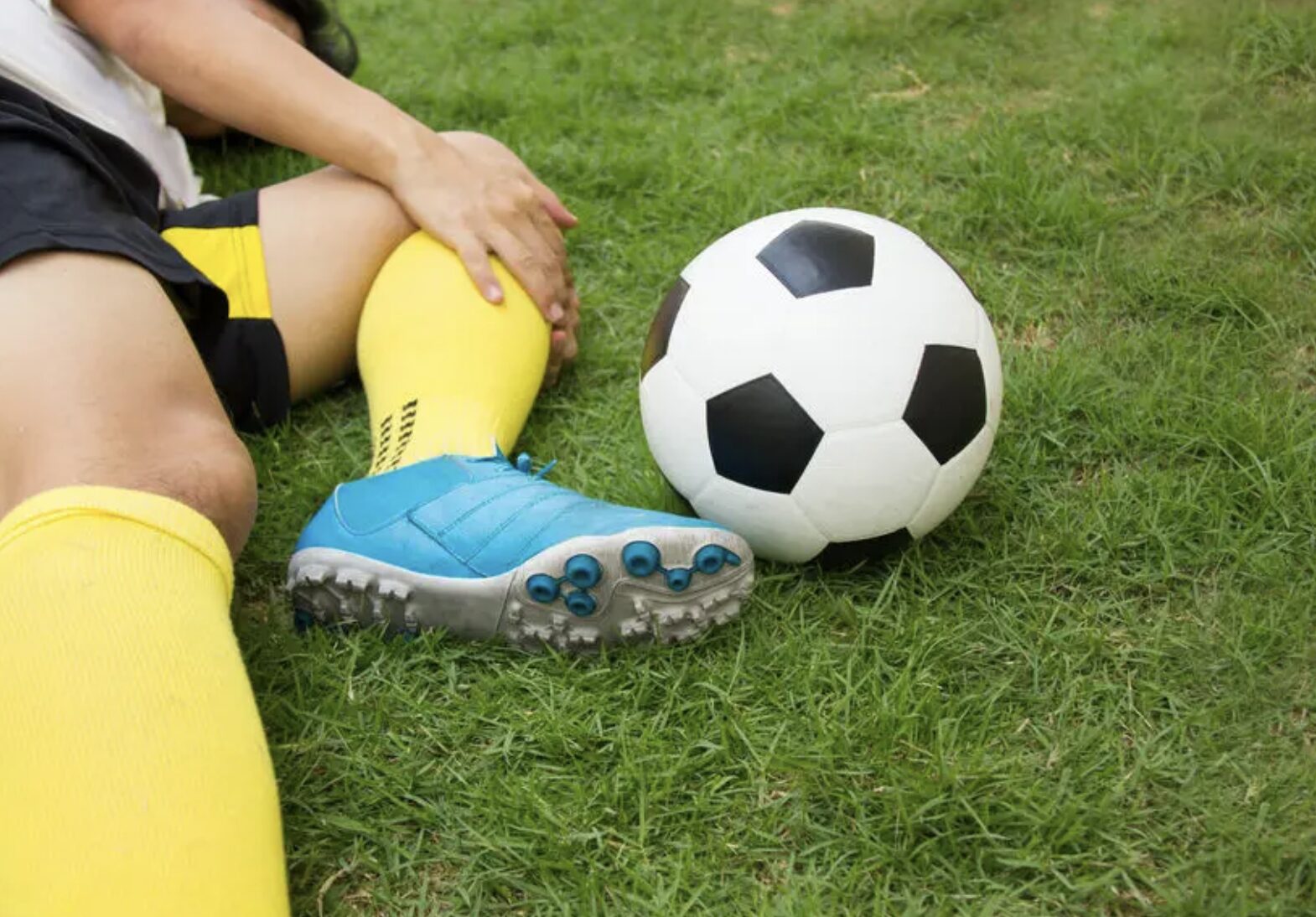
Oxford’s eight week termly orbit cares little for the inconvenience of an injury or illness. Regardless of its severity, or length, each day missed is a fair proportion of a term ill-used. Having recently marked halfway hall, I was served a terrifying reminder that the three terms of a year, even the three years of a standard undergraduate degree, can easily bolt away if allowed.
When I started writing this piece, I intended to write about how, during my first year, my admittedly shoddy novice rowing efforts were derailed. An asthma diagnosis and the first of several bouts of severe chest infections put paid to any chance of a miraculous improvement.
As providence would have it, another of these delightful infections returned the week I started writing this. Having battled through the innumerable pleasures of another bout of ill-health, whether that be having to pull out of training and fixtures or feel drained after five minutes of walking, I was reduced to a wordless, thoughtless zombie. Staring listlessly at a pizza in its 10th minute in the oven, waiting for it to cook, has left me plenty of time to reflect.
The many sports teams that play under the University’s aegis, their staff, players and coaches are well aware of this fact. Training is slotted into the few times – early in the morning or late at night – when players are as unlikely as possible to have any competing demands. Unlike elsewhere in the UK, the strict deadlines, individually organised tutorial times and disparate colleges and faculties make attempts to organise training at any other time a non-starter. Each session counts, and success relies on the coaches clinging to the hope that cardio and strength conditioning continue off the training field.
Being laid up with an illness, or injury, doesn’t do much to help that. All the joys of training and exercise, all its mental benefits, fade away as life is reduced to a dull course of foam-rollers, yoga mats and stretching. Whilst the physical side of life injury-free can admittedly be draining, the minor victories of a new personal best, or the calm satisfaction of a workout well done, are a greater loss. In their place, injury leaves us the worst hand to be dealt in sport: an excessive preoccupation with weight and physical appearance, attempting to manage the needs of recovery without returning to the field a blown-up beach ball. Wheezing and hacking up phlegm does not inspire the same joy as a good session on the rowing machine.
But the inconvenience of incapacitation isn’t just that sisyphean labour of fitness. Studying at Oxford University can be an isolating experience. As someone who lives in Summertown, this is doubly so, as the rest of Oxonian civilisation is at least a decent cycle away. A team sport, regardless of its nature, is a partial panacea to any Oxford-induced or more conventional troubles facing you. Walking home with friends made in that sport, breaking out of the walls of your college to meet people you’d otherwise never encounter, chatting whilst endorphins from a game just played still flow, may be the closest thing to Nirvana possible inside the ring road. For an hour or so, you’re mucking in with your mates, rather than confronting a particularly daunting tute essay; for an all-too brief moment, life becomes more manageable, less daunting than it appeared before you stepped out to train that day.
Getting taken out by an injury or illness takes you away from that environment. Recovery times vary: a week, a few weeks, a whole season. The pernicious loneliness fended off on the sports field returns, perniciously redoubling itself, fuelled by self-doubt. How good can you really be if you got injured? Will you return to play at the same level? What will the others: the team, the club, your friends, think of you?
Blissfully, most absences are temporary, the conditions recoverable, the tears, strains and breaks fixable. But their impact lingers long after the mending is finished. There is a temptation to try and make up for that enforced leave by giving 110% to the next training session. But this is only to risk more injuries – to imperil the exact same performance sought through the effort.
The scars of injury are not merely physical, nor are they temporary. Their effects may linger long after a return to play, affecting that area for which there can only be the most complex of cures: the psyche. If a player loses confidence in themselves, or feels some imagined inadequacy they must compensate for, they may never recover. Ultimately, it’s the great coaching, teammates and a healthy club environment that help members of the team return with the same spirit, ethos and commitment they held prior to injury.
Alone, the wears and tears of academic life can break a student. With the added load of sports, that burden is all the greater. But the irreplaceable atmosphere of sport, the bonds it forms and the effort that goes in on and off the field helps to distribute that pressure, making each Michaelmas, Hillary and Trinity a little more bearable.