

Visitor numbers to Oxford’s major attractions have risen sharply, outpacing national trends and reinforcing the city’s position as one of the UK’s most resilient tourism hubs.
New figures from the Association of Leading Visitor Attractions (ALVA) show that visits to UK attractions rose by just 2% last year, reflecting a slow post-pandemic recovery across the sector. In contrast, Oxford University’s Gardens, Libraries and Museums (GLAM) recorded 3,816,898 visitors in 2025, up from 3,559,109 in 2024: a 7% increase year-on-year.
The figures place Oxford well above the national average and mark a continued divergence between the city and wider UK trends. GLAM sites are now operating above pre-pandemic levels, while the sector nationally has yet to fully recover.
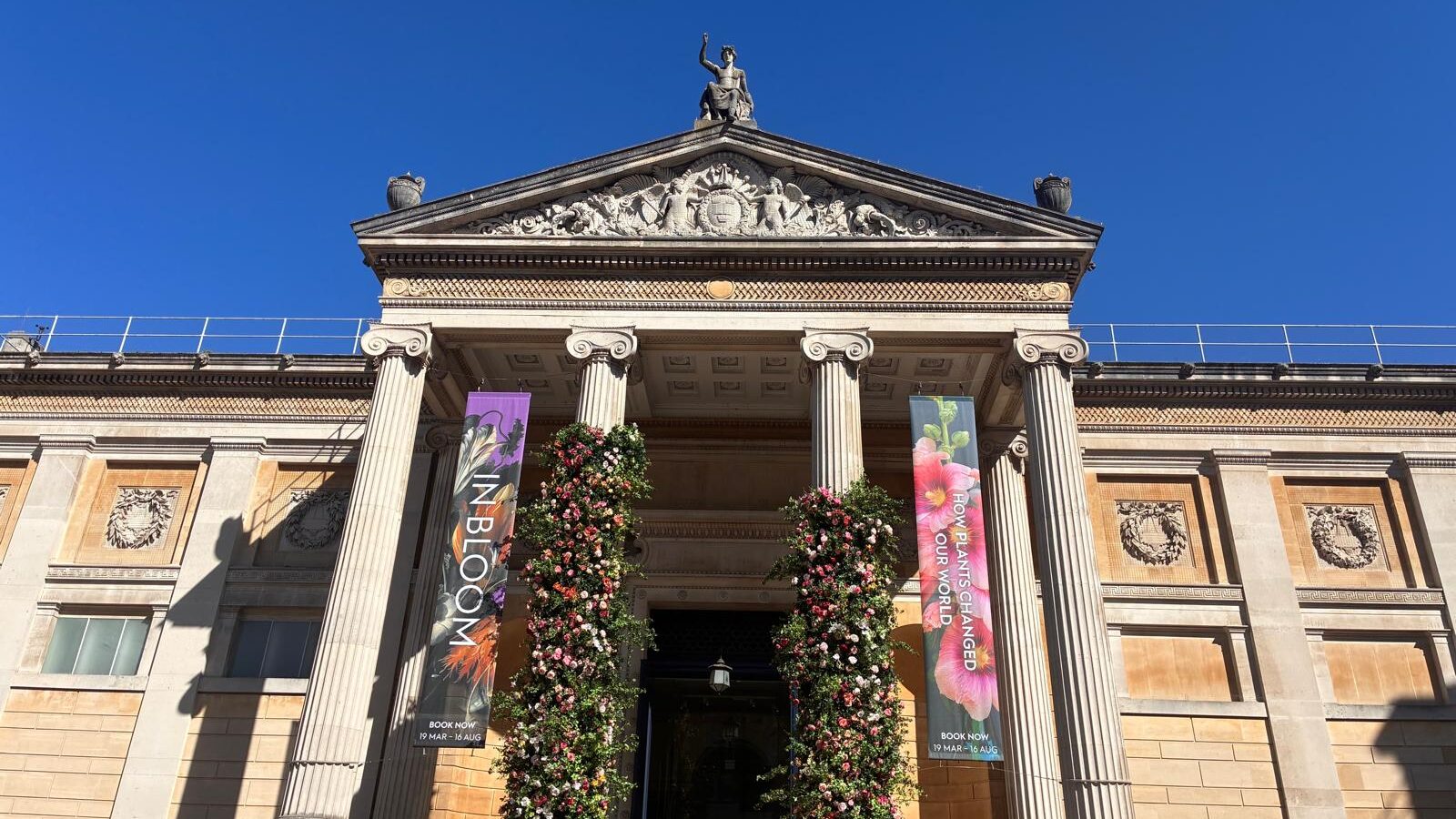
Oxford’s performance is closely tied to the University itself. Many of the city’s most visited attractions – including the Ashmolean Museum, the Bodleian Libraries, and the Museum of Natural History – are embedded within the University and form part of its academic infrastructure as well as its public-facing identity. Several of these sites rank among the most visited attractions in the UK, with the Ashmolean alone drawing over one million visitors in 2025.
Richard Ovenden, Head of Gardens, Libraries and Museums told Cherwell the figures reflected the University’s cultural offer, pointing to free and low-cost entry as a key driver of footfall alongside “a lively and eclectic programme of events” designed to engage diverse audiences.
Recent exhibitions have also contributed to rising visitor numbers. The Ashmolean Museum’s ‘This Is What You Get’ exhibition explored the visual art behind Radiohead through the three-decade collaboration between Thom Yorke and artist Stanley Donwood. Featuring more than 180 works, including album cover art, sketchbooks, and previously unseen material, the exhibition drew on the band’s Oxfordshire roots and offered visitors a rare insight into the creative processes behind one of the UK’s most influential bands.
This overlap between academic and public space is central to Oxford’s appeal, but it also shapes student experience, and students themselves also play a role in sustaining this ecosystem. The University’s global reputation draws prospective applicants, visiting families, and international tourists, many of whom engage directly with college and museum spaces. As visitor numbers grow, students increasingly occupy a dual position as both users of and contributors to Oxford’s tourism economy.
The rise in attraction visits reflects a broader increase in tourism across Oxfordshire, which continues to generate significant revenue for the local economy. At a national level, ALVA attributes continued growth to the enduring appeal of cultural experiences, even during the cost-of-living crisis, with visitors prioritising heritage and leisure spending.
The figures underline Oxford’s distinctive character as a university city where academic and public life intersect. Spaces such as the Bodleian Libraries and central college sites continue to serve both students and visitors, contributing to the city’s reputation as a globally significant cultural and intellectual hub.