

There’s much about the experience of studying at Oxford that makes it truly unique compared to other universities. There’s the almost millennium-old tradition of wearing sub fusc and the regular formal dinners, but most glaringly of all perhaps lies in the day-to-day experience of the college system. While other students find a sense of community in their halls of residence or in student societies, at Oxford, the college serves as an amalgamation of the personal and the academic. It is where work is done, friends are made, and for most first-years, where they live and eat. This combination of purposes means that the college is central to the student experience at Oxford, and therefore inevitably forms a significant part of your identity at this University.
This can be a part of the allure of Oxford (or Cambridge) to the potential applicant. Pushing past the initial unfamiliarity that such a set-up may cause, the close sense of community that college fosters can add comfort to the disorienting experience of the intense eight-week terms and workload of studying here. While at other universities, there can be a sense of being thrown straight into the deep end, with little moderation between the intimacy of your student flat and the openness of the entire course and university as a whole, the Oxbridge college system acts as a middle-ground, allowing for inter-subject mixing and familiar faces. It also allows the applicant a unique degree of freedom in the environment in which they will be studying over the next three years. This freedom to be selective about elements may at first seem superficial, as prospective students compare the beauty of certain colleges’ gardens and dining halls. But, it can also involve having control over more meaningful traits. Factors such as the proportion of state-educated students at a college or of elements of its social life, for example, can act as deciders for where a student may choose to study. That such diversity between colleges can exist within the University is a great strength and enriches the quality of student life. Save those that end up being pooled or submit an open application, the majority of applicants often do research and get excited about the prospect of which college they are going to choose to study at and spend most of their time in. This gives them an immense, almost unparalleled, amount of control over a huge aspect of their university experience.
However, consideration of living costs is growing to dominate conversations about higher education. Maintenance loans struggle to keep up with the growing costs of being a student, and the failures of successive governments to address the financial pressures that students face mean that for many the cost of university is growing unbearable. This negative effect is multiplied by studying in a city with living costs as high as Oxford. The purpose of going to university is not just to come out with a degree at the end, but to nurture interests independently for the first time and develop a sense of self at such a transitional age. This is something that the college system at Oxford can facilitate in a unique way. Facilities and interests between colleges vary, with the distinct rowing culture at Oriel, for example, contrasting with the reputation that St John’s holds for sports. While there is definitely scope for this beyond the college, the college system uniquely positions students to tailor their experience at university to what they want it to be. Taking full advantage of the opportunities presented by these years of study was previously facilitated by policies such as the maintenance grant, which gave students greater room to manoeuvre in their lifestyles and the ability to make choices which may have previously been inaccessible. The rising costs that going to university now entails, however, begin to limit this potential for choice.
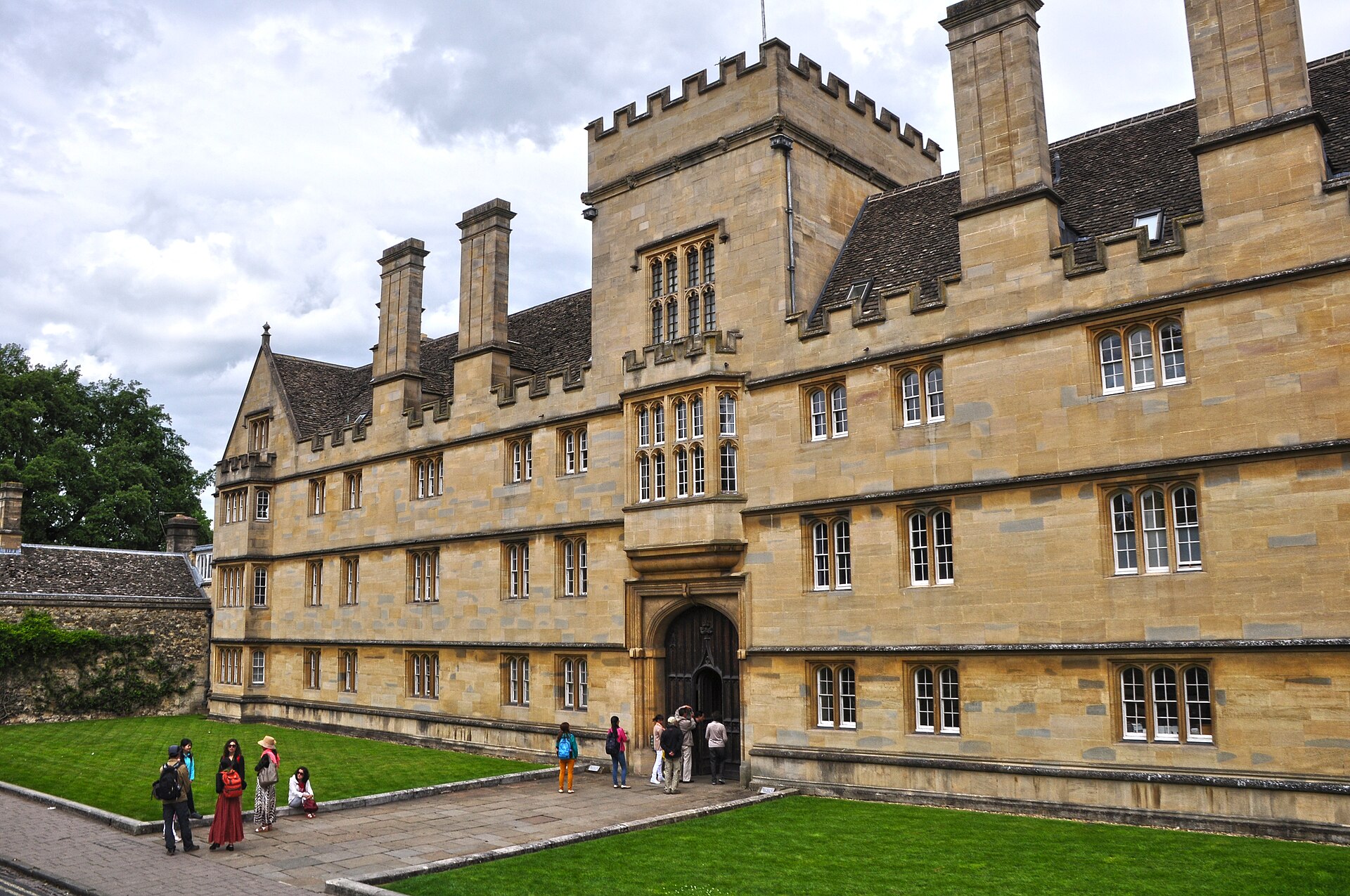
This is where a disconnect can emerge between colleges fostering an identity and the financial reality, which can be what shapes students’ decisions and experiences. My college, Wadham, has long prided itself on its progressive politics and liberal identity. However, rent for second year accommodation was recently proposed to rise by 10.63% up to £9470. Touting an inclusive image while charging rents which rank in the highest quartile across the University means that Wadham’s progressive ethos begins to ring hollow. Wadham’s character comes not only from a reputation nurtured by its students but also through its active efforts to encourage access and outreach. Its undergraduate centre doubles as a purpose-built building for widening access initiatives with schools to facilitate applications from a broader range of backgrounds. While these efforts to develop a diverse and progressive community are commendable, they sit uncomfortably with the reality of rent and living cost rises, which become barriers to students applying. While a prospective applicant may love the College’s garden and chapel and reputation of a liberal community, for an increasing number of applicants the primary consideration above all of these is cost. Wadham’s increasing unaffordability means it becomes eliminated as an option, no matter how progressive of a reputation it may boast.
Ultimately, the issue of higher living costs limiting choice is not unique to Oxford and its colleges, and its impact on the college system is perhaps a slightly low-stakes issue. However, rising financial pressures playing a greater role in college selection begins to undermine the point of the college system in the first place. Colleges have great diversity in their beauty, their academic specialisms, their facilities and their ethos. This diversity is what can make the student experience here so unique. When financial considerations must take precedence in decision-making, these nuances become flattened. There is a growing contradiction between the choice the college system is supposed to offer and the financial reality underlying being a student today. The appeal of free choice is lessened when it can be exercised only by those who can afford it.