

After a lovely evening celebrating one of my best friends’ birthdays on 15th October, I returned to my room filled with a sense of hope for the future that I hadn’t felt in quite some time. It had been around a week since I’d returned to Oxford for my final year, but the dread that once accompanied this change had slowly given way to an understanding that this would be a particularly beautiful period of my life. I knew I was living through a moment I would look back on fondly, and, perhaps due to my drunken state, I found myself completely in love with my surroundings and the people in my life. As I sat on my windowsill, I received a notification about the release of an album that I had been excited for for the past few months – The Avalanches’ No Bad Memories. Listening to it, it felt as though every feeling I was experiencing – nostalgia, a childlike joy – had been meticulously assembled into one album, and I fell for it instantly. I didn’t expect how perfectly my personal happiness would fit an album so preoccupied with the sounds of old advertisements and obsolete electronics, filled with the relentless optimism of a world that believed the future could only get better.
How do you describe The Avalanches to somebody who has never listened to them before? They are an Australian ‘electronic’ group (I use inverted commas because the term feels inadequate in this instance), somewhere between Daft Punk, Nujabes, MGMT, and DJ Shadow, yet vastly different from each. Their music comes from exploring what happens when disparate, unrelated sounds are placed alongside one another. Since the release of their beloved 2000 debut album, Since I Left You, they have been making infectious and danceable tunes by compiling countless samples, sound effects, and audio clips, and have garnered a passionate fanbase, myself included.
No Bad Memories, their fourth album in their 32 years together as a group, is no different. Like its predecessor, 2020’s We Will Always Love You, it is, at its core, a concept album. But while their previous album looked to space and the future, No Bad Memories looks to the familiar, preceding each track with distorted jingles or glitchy ads for a myriad of fake products, each with its own aesthetic, making the album experience feel like flicking through vintage radio stations or Saturday morning TV. Its sounds sometimes overwhelm or outright sabotage one another, but somehow this makes the album feel even more alive. The ‘core’ tracks themselves are bouncy, fun, and make use of Mort Garson-esque synths, colourful guitar, pulsing bass, and glittery pads. The myriad of features are a testament to the friends The Avalanches have made across their career, with frequent collaborators like Jamie XX, Panda Bear, and Rivers Cuomo alongside newer voices like Portraits of Tracy. The feeling of friendship that is so integral to the album is part of what makes it so enjoyable for me. The lyrics talk about being together forever, having all the time in the world, and giving everything you have to those you love, creating a joy and sense of fun that felt genuinely refreshing to hear. Contemporary music is often expected to justify itself through the seriousness of its themes, but No Bad Memories doesn’t need to offer a manifesto. It knows it can be excessively cheerful and still be worth taking seriously. Its nostalgia is an attempt to recover the pleasures that remain buried within the discarded sounds of the past.
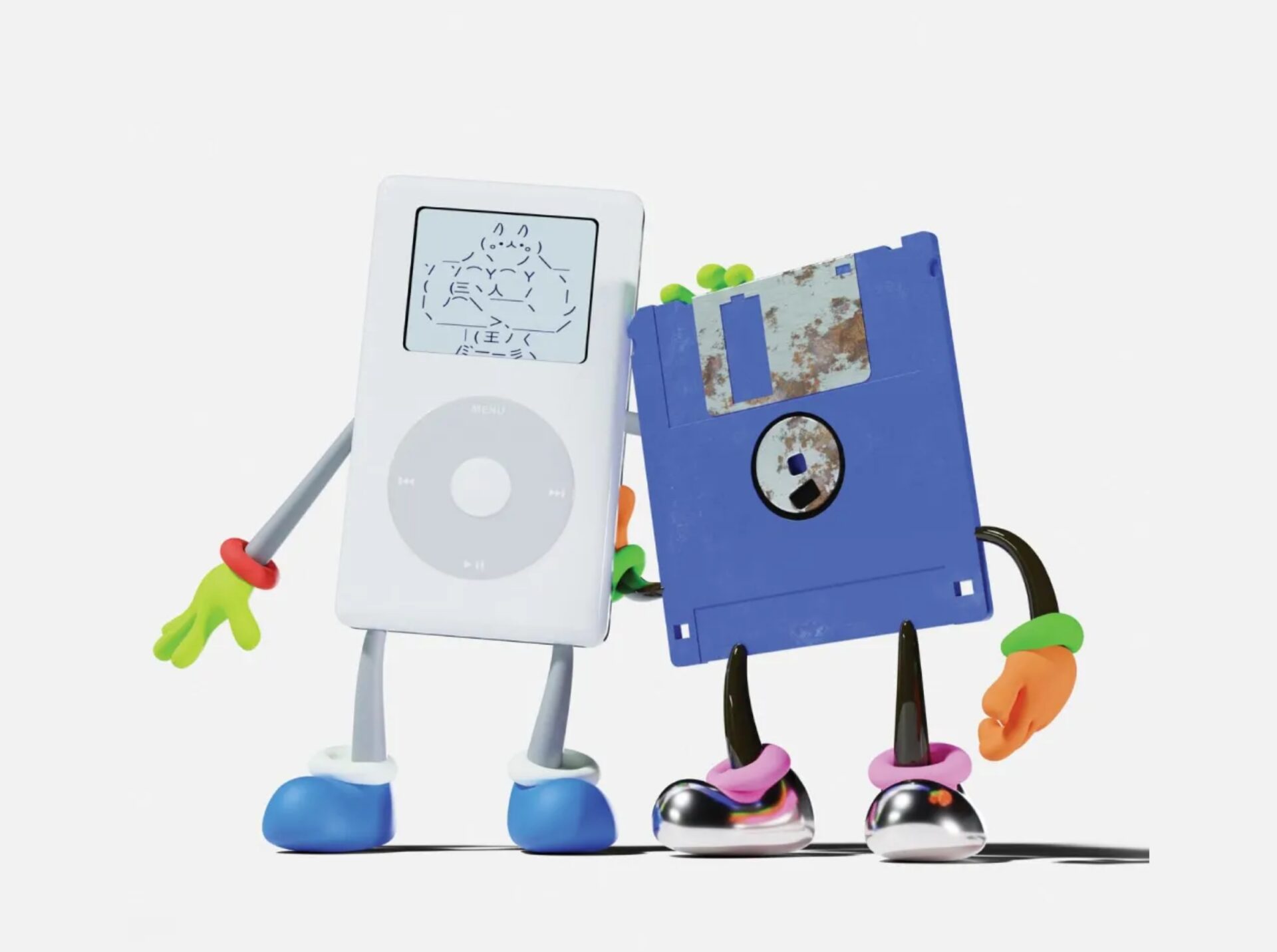
The role of advertising in No Bad Memories, the language that permeates it like a computer virus, is part of what elevates the album above an average dance album. TV and radio commercials are obnoxious; every product wants to occupy as much of your attention as quickly and efficiently as possible. On No Bad Memories, as strangely comforting as they sound, adverts bombard you, constantly interrupting each other with promises of making you better, faster, more beautiful. Advertising is always in love with the future. Every product promises a better life just around the corner. The strange thing about hearing these sounds now is that so many of the futures they once promised have become obsolete. The phones, software, and products may be gone, but their jingles remain, still insisting that tomorrow will be better. The album is fascinated by the commercial machinery that shapes our desires, but it is also fascinated by its sounds. It is at times dizzying and confusing, but in the age of AI, data scraping, commodification of social media interaction, and marketing from big companies trying to come off as humane, No Bad Memories is imagining techno-optimism.
Artist Richard Hamilton famously described Pop Art as “popular”, “transient”, “expendable”, “mass produced” and, ultimately, “big business”. These are precisely the qualities No Bad Memories celebrates and subverts at once. Like British Pop Art of the 1950s and 60s, The Avalanches assemble music using the most recognisable sounds of the modern world – the language of advertising – turning them into something both hopeful for the future and nostalgic for the past (or as my mother put it when she listened, “a collage of joyful loveliness”).
This is why No Bad Memories has stayed with me: it has taken the disposable sounds of a bygone, more optimistic age, and turned them from music intended to sell into music which makes us feel something. I don’t necessarily think the album is arguing that the past was a better time, or that the future will be. It is simply finding beauty in the sounds that were once left behind. The future may not be as bright as those old adverts promised, but while listening to No Bad Memories, at least, the music makes it feel that way.