

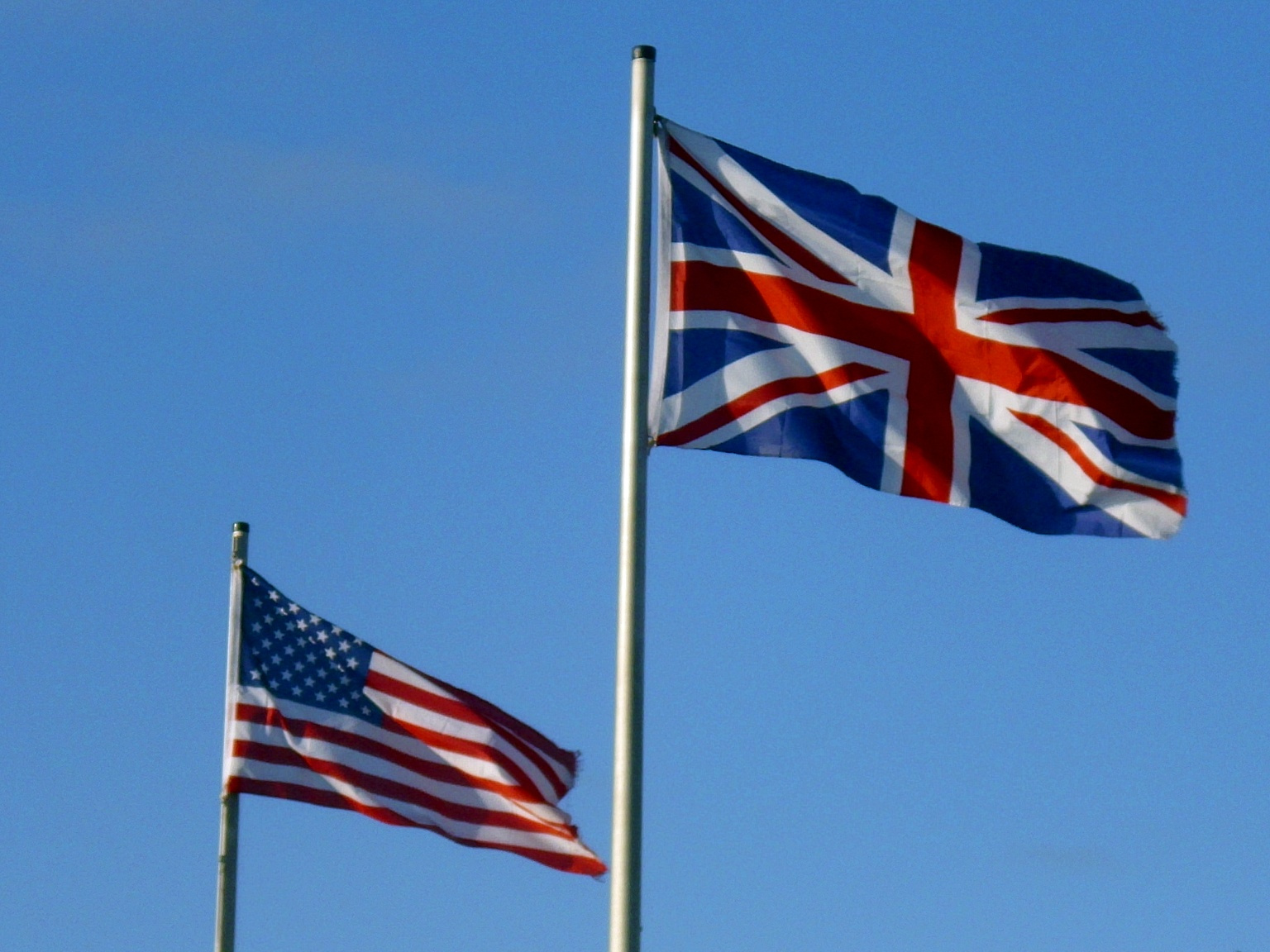
The importance of higher education cannot be underestimated. Parents across the world start saving money years in advance to send their children to university, putting pressure on them to achieve good grades in school. They spend hours helping with homework, or years paying tutors, to get their children to succeed academically. All of that effort is done for one goal – to hopefully hand over their dear child, a project 18 years in the making, to an institution that will determine the rest of their life. But did we ever stop to think about what kinds of people these institutions will produce?
Clearly, there is a hierarchy of institutions, both domestic and international. Domestic hierarchies will vary from country to country, but the international system has a more or less recognised structure. Eight of the top ten universities in the 2026 QS World University Rankings – which assesses research and discovery, learning experience, employability, global engagement, and sustainability – are in the UK or US. Nine of the top ten teach primarily in English.
In these findings, the legacy of the British Empire is difficult to ignore. Half of the ‘best’ universities are located in former colonies of the British Empire, whilst the other half, with the exception of Switzerland, are still in Britain. What differs is what those two prevailing countries chose to focus on with their higher education, which translates directly into producing different kinds of people.
It is hard to deny the influence of the ‘American Dream’ on education in the US – American education is very representative of ideas of freedom, opportunity, and rewarded hard work. Academically, students can choose double majors and triple minors, study electives on Taylor Swift, and adjust their schedules for full-time employment or sports commitments. They can do whatever they want!
But American higher education isn’t just academia – extracurricular activities, sports, clubs, religion, and culture are all embedded in it. You can choose to ignore this world, but it is so interconnected with university life that it’s difficult to draw a line between the two. America also loves to profit from culture; in the world of education, this can become merchandise, stickers, sponsored events, or just a recognition of belonging among strangers. Being in a group project for an introductory class that feels completely unnecessary also creates culture, connecting students who may never have otherwise met.
What kind of person will come out of such an institution, having had so much leeway, support, social connections, and culture which were not sought out but presented ready to consume? After four years of American higher education, you leave with little theory, a fair amount of applicable knowledge, some hands-on experience, and, crucially, a confidence that the world is your oyster. There is something about the safe, busy, and intertwined environment of the American university that makes you believe that the world is good – and that you are good for the world.
It would be hard to argue that after graduating from a prestigious British university one wouldn’t feel ready for the world. But that readiness comes from a different place than in the US, and it creates a different kind of person. The ethos of Oxford University has been, in my experience, ‘just do it’, but not in the Nike way; rather, in a way that tells students to take initiative using the resources that are given; it is something more like: “We have given you resources, now just do it by yourself.”
Whilst this rigorous approach makes a lot of sense academically, its translation to other aspects of university life is questionable. Academia seemingly defines Oxford’s culture – the social activities are conferences, the informal activities are trips to pubs. These things are not ineffective, but they do not produce the sense of seamless integration that American university culture does, which makes the lives of scared first-year students much easier and more exciting.
It is hard to come to a conclusion about Oxford, after only a couple of months of experiencing it, but it seems that someone listening to a Latin graduation speech in the 17th-century Sheldonian Theatre will be deeply different from someone walking across a stage at any US university. At the very least, the Oxford graduate will know his university’s reputation precedes him. Will he feel a sense of community, though?
I am not to judge whether the product of the American system is better or worse than its British counterpart. Comparing the two, however, shows how the meaning different societies give to higher education is translated into practices at different educational establishments. These differences are then reflected in the final product – millions of young people who finish their studies every year, ready to do their part in the world.
It may be for the best that our contrasting higher education systems result in so much diversity. But will such different types of people complement each other in an international work environment? Will they be friends outside of it? I haven’t gotten as far as answering these questions. But the main idea is clear: if higher education is made important in current societal structures across the globe, so is the variation in the outcomes.